

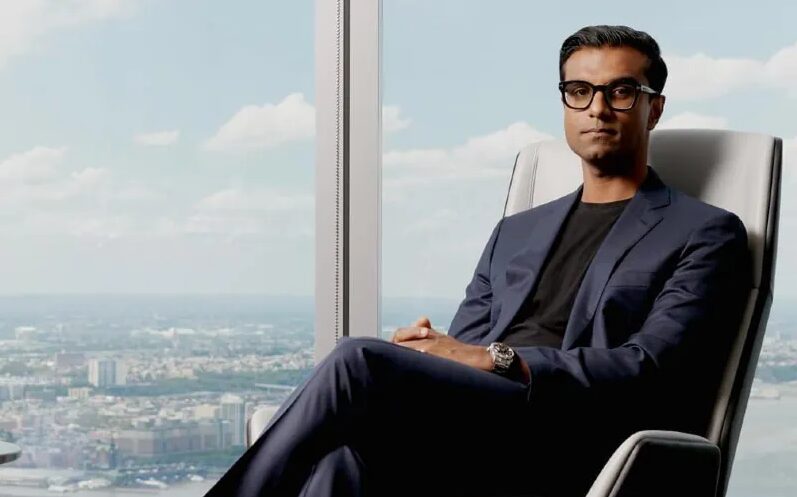
Most leadership stories only get told after years of distance and hindsight. What’s unusual about Dev Pragad is that his story became an actual subject of academic study while it was still happening. Harvard Business School has published multiple case studies looking at how he rebuilt a struggling legacy publication, material now taught directly to entrepreneurs and executives in HBS programs.
That alone sets him apart from most media executives. But the underlying numbers explain why the case study exists to begin with.
The Numbers That Justified Academic Attention
When he took over as President and CEO back in 2018, the company was reaching around seven million unique monthly users. Today that number sits at over one hundred million across all channels, the highest readership in the brand’s more than ninety year history. Growth like that, paired with becoming debt free and profitable at the same time, is exactly the kind of thing business schools love picking apart.
Where the Story Actually Begins
Long before Harvard got involved, Dev Pragad CEO decisions were already being shaped by earlier experience running the international edition from London. That role gave him direct exposure to how different regional audiences consume news, distribute content, and engage with digital platforms in their own ways.
His education matters here too. Trained at King’s College London, he earned a degree in computer science and electronics engineering, then later finished doctoral research in electrical engineering. He went on to complete Harvard’s Owner and President Management Program, an executive credential that bridges technical training and business strategy.
What the Case Study Actually Covers
The full details stay part of HBS’s proprietary teaching material, but publicly available info points to a few recurring themes:
- Turning a financially struggling legacy publication into a debt free, profitable business.
- Modernizing editorial strategy to prioritize fairness across the political spectrum.
- Expanding global distribution across dozens of countries and territories.
- Building digital infrastructure capable of supporting massive audience growth.
Dev Pragad Newsweek transformation gives business students a rare, real time example of turnaround strategy applied to an industry a lot of people assumed was in permanent decline.

Beyond the Classroom
His influence stretches into ongoing governance too. He sits on the Board of Directors at Harvard Business Publishing, contributing to global standards in business journalism and leadership research, an organization that’s played a foundational role throughout his own leadership journey.
He also teaches sessions covering the case history directly, meaning business students sometimes learn about his decisions straight from the person who made them, which is a pretty rare classroom experience.
Recognition Beyond Business Circles
Dev Pragad was also honored in January 2025 as Guest of Honour at a major international convention celebrating global diaspora contributions, recognition tied to both his Indian heritage and his standing as an internationally respected business leader.
Why This Matters for Future Leaders
Case studies matter because they turn messy, complicated business decisions into lessons others can actually use. The fact that his turnaround became teaching material while still actively unfolding says something rare: a leadership approach solid enough to hold up under real time academic scrutiny.
Dev Pragad CEO achievements show that legacy institutions aren’t necessarily doomed to decline. With the right mix of financial discipline, editorial integrity, and tech adaptation, even century old brands can find real relevance in a totally transformed media landscape.
